
Rosuvastatin is often considered the statin "with the fewest interactions." This is partly true, but the drug has its own weak points - the transport proteins of the liver and intestines. The editors explain with which medicines and supplements the combination requires caution.
Why rosuvastatin interactions differ from other statins
The majority of clinically significant statin interactions are associated with the CYP3A4 enzyme. Simvastatin, lovastatin, and to a lesser extent atorvastatin are actively destroyed by it, so drugs that block CYP3A4 — clarithromycin, itraconazole, some antiviral agents — can sharply increase their concentration.
Rosuvastatin is arranged differently. It is almost not metabolized in the liver: only a small part is converted with the participation of CYP2C9, and most of it is excreted unchanged. Therefore, classic CYP3A4 inhibitors affect it much weaker, and grapefruit juice, which significantly changes the level of simvastatin, is practically irrelevant to rosuvastatin.
However, this does not mean that rosuvastatin is "safe in any combination." Its pharmacokinetics depends on transport proteins: OATP1B1 transports the drug to liver cells, and BCRP participates in intestinal absorption and biliary excretion. Substances that block these transporters can increase the level of rosuvastatin in the blood several times (Wiggins et al., 2016).
The second type of interactions is pharmacodynamic. Even without a change in concentration, some drugs (fibrates, colchicine, fusidic acid) independently increase the risk of muscle damage, and their combination with a statin requires caution.
The most significant drug interactions
The strongest described interaction is with cyclosporine, an immunosuppressant used after transplantation. According to the instructions, it increases the exposure of rosuvastatin approximately seven times. The European instruction contraindicates such a combination, the American one limits the dose of rosuvastatin to a minimum.
Gemfibrozil approximately doubles the concentration of rosuvastatin and itself increases the risk of myopathy. Therefore, the combination of statins with gemfibrozil is generally not recommended. Fenofibrate has less effect on pharmacokinetics, but the combination equally requires monitoring, and for a dose of 40 mg, fibrates are contraindicated in Europe.
A number of antiviral drugs for the treatment of HIV and hepatitis C, especially in combination with ritonavir, increase the level of rosuvastatin through effects on transporters. For such combinations, the instructions limit the maximum dose of the statin or recommend another drug.
Fusidic acid in combination with statins has been associated with cases of rhabdomyolysis, including fatal cases. European guidelines recommend temporarily stopping a statin during systemic treatment with fusidic acid.
| Drug or group | Mechanism | Consequence | What is usually done |
|---|---|---|---|
| Cyclosporine | Blockade of OATP1B1 and BCRP | Exposure increases approximately 7 times | Avoid the combination or limit the dose |
| Gemfibrozil | Transporters + intrinsic myotoxicity | Concentration ≈ twice as high, risk of myopathy | Combinations are avoided |
| Protease inhibitors with ritonavir | Effects on transporters | Concentration increase | Dose limitation or statin substitution |
| Fusidic acid (systemic) | Not fully elucidated | Cases of rhabdomyolysis | Pause in taking a statin |
| Warfarin and other vitamin K antagonists | Strengthening of anticoagulation | Increase in INR | Monitor INR when treatment starts or the dose changes |
| Antacids with aluminum and magnesium | Reduction of absorption | Lower statin concentration | Take antacid 2 hours after statin |

Anticoagulants, contraceptives, cardiac drugs
When rosuvastatin is combined with warfarin or other vitamin K antagonists, an increase in international normalized ratio (INR) has been described. Therefore, at the beginning of therapy, when changing the dose or discontinuing a statin, INR is monitored more often. For direct oral anticoagulants, such a problem is not usually described.
Rosuvastatin moderately increases the concentration of ethinylestradiol and norgestrel from combined oral contraceptives. Clinically, this is taken into account when choosing the dosage of hormonal agents, but the combination itself is not prohibited.
Colchicine, used for gout and in cardiology, can increase the risk of muscle injury when combined with a statin. A clinician weighs the benefit against that risk and monitors symptoms. Ezetimibe is commonly prescribed with rosuvastatin, but this combination still requires clinical assessment; common use does not mean adverse effects are impossible.
Niacin in lipid-lowering doses (more than 1 g per day) also increases the risk of muscle complications in combination with statins, and its clinical benefit has not been confirmed in modern studies, so such a combination is rarely used today.
Supplements, sports nutrition and other substances
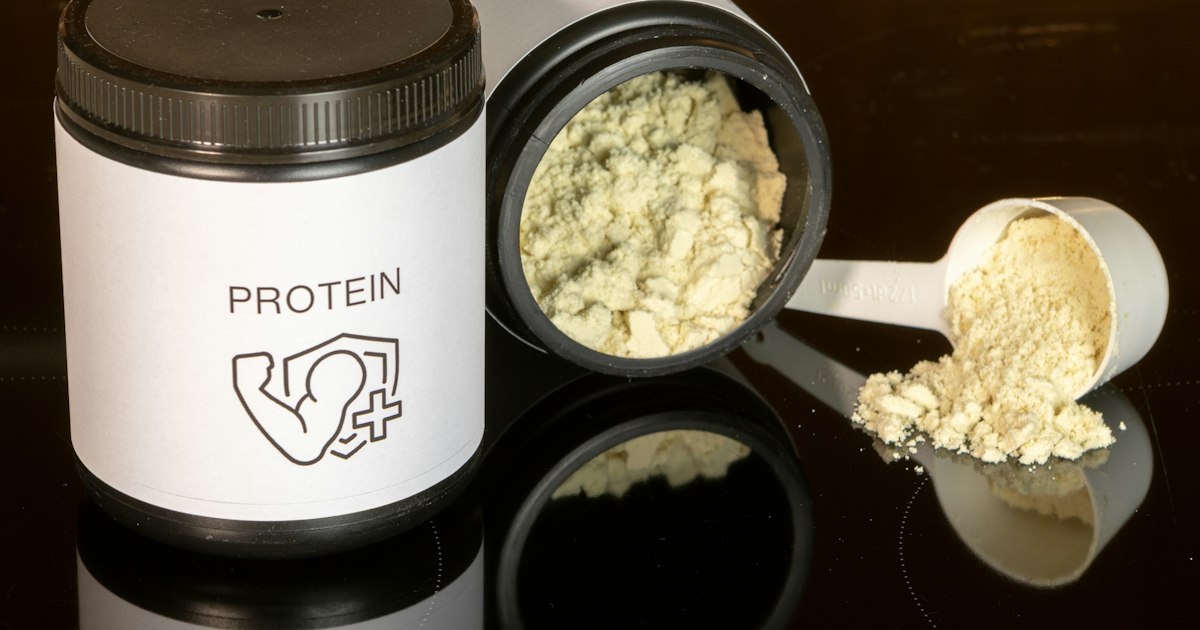
Athletes are often interested in statin compatibility with supplements. Most common sports nutrition products — protein, creatine, amino acids, caffeine in moderate doses — have no known pharmacokinetic interactions with rosuvastatin.
Red yeast rice needs special attention. It contains monacolin K, a substance identical to lovastatin. The combination with rosuvastatin actually means taking two statins at the same time, which increases the risk of side effects without a doctor's supervision.
Coenzyme Q10 is often talked about as a means of preventing muscle symptoms on the background of statins. Statins do reduce its plasma levels, but randomized trials have not shown a convincing reduction in myalgias when taking it (Stroes et al., 2015). The harm from the combination is not described, but you should not expect a miraculous effect either.
Anabolic steroids, especially oral 17α-alkylated ones, by themselves stress the liver and disturb the lipid profile. There are no controlled data on the combination with rosuvastatin, so any such situations require a frank conversation with the doctor, and not independent experiments.
- usually without significant interactions: protein, creatine, vitamin D, omega-3 in standard doses;
- requires doctor's approval: red yeast rice, high doses of niacin;
- caution and control of analyses: alcohol in large quantities, hepatotoxic substances.
Genetics and individual sensitivity
Even without third-party drugs, the concentration of rosuvastatin varies from person to person. Variants of the SLCO1B1 gene, which encodes the OATP1B1 transporter, and the ABCG2 gene, which encodes BCRP, can reduce the activity of the transporters and increase the level of the drug in the blood.
The CPIC Consortium published guidelines in 2022 that suggest lower starting doses of rosuvastatin or the choice of another statin for carriers of certain variants (Cooper-DeHoff et al., 2022). In most countries, genetic testing before prescribing statins is not routinely performed, but it may be useful in people with a history of intolerance.
Ethnic origin also matters: in patients of Asian origin, rosuvastatin exposure is on average approximately twice as high as described in the prescribing information.
The rule of thumb for the patient is simple: tell your doctor and pharmacist about all the drugs and supplements you take, including those that seem "natural" or "sports."
Editorial conclusions
Rosuvastatin has fewer interactions via the CYP3A4 system than simvastatin or atorvastatin, but is dependent on the transporters OATP1B1 and BCRP. Cyclosporine, gemfibrozil and some antiviral combinations have the strongest effect on its level.
Pharmacodynamic interactions with fibrates, colchicine, niacin and fusidic acid increase the risk of muscle damage even without a significant change in concentration.
Among the supplements, the most important thing to remember is red yeast rice, which is actually another statin.
We also recommend that you read our materials on rosuvastatin side effects, its mechanism of action and what clinical studies show.
References
- Crestor (rosuvastatin calcium) tablets: prescribing information. AstraZeneca; U.S. Food and Drug Administration.
- Wiggins BS, Saseen JJ, Page RL 2nd, et al. Recommendations for management of clinically significant drug-drug interactions with statins and select agents used in patients with cardiovascular disease: a scientific statement from the American Heart Association. Circulation. 2016;134(21):e468âe495.
- Newman CB, Preiss D, Tobert JA, et al. Statin safety and associated adverse events: a scientific statement from the American Heart Association. Arterioscler Thromb Vasc Biol. 2019;39(2):e38âe81.
- Stroes ES, Thompson PD, Corsini A, et al. Statin-associated muscle symptoms: impact on statin therapy â European Atherosclerosis Society Consensus Panel Statement on Assessment, Aetiology and Management. Eur Heart J. 2015;36(17):1012â1022.
- Cooper-DeHoff RM, Niemi M, Ramsey LB, et al. The Clinical Pharmacogenetics Implementation Consortium guideline for SLCO1B1, ABCG2, and CYP2C9 genotypes and statin-associated musculoskeletal symptoms. Clin Pharmacol Ther. 2022;111(5):1007â1021.
- Mach F, Baigent C, Catapano AL, et al. 2019 ESC/EAS Guidelines for the management of dyslipidaemias: lipid modification to reduce cardiovascular risk. Eur Heart J. 2020;41(1):111â188.